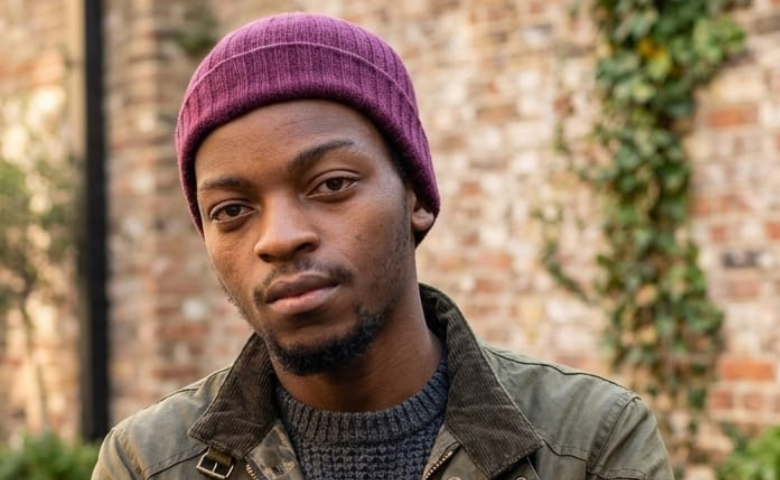
Youth Day edition: “There is life beyond a diagnosis, your circumstances don’t define your future.”
By: Aphelele Buqwana
Having been born with HIV and overcoming TB at the age of 22 , Hope Kubeka has spent most of his life navigating health challenges that many young South Africans still fear to talk about openly.
Today, he spends his days working in his community, supporting young people who are facing challenges similar to those he once experienced. Through community outreach, public speaking and peer support initiatives, he encourages others to adhere to treatment, learn more about their health and seek support when they need it.
The 26-year-old from Duduza, a township in the East Rand region of Gauteng, is a community leader whose experience of living with two of the country’s most significant public health challenges has shaped his determination to speak openly about health, resilience and survival. He now uses his voice to challenge stigma around HIV and TB while encouraging young people to take charge of their health.
He serves as the youth representative on the clinic committee at Nokuthela Ngwenya Community Health Centre, also in the East Rand, where he advocates for the needs of young people accessing healthcare services. In his role, he works to ensure that young voices are heard and that healthcare facilities remain responsive to community needs.
“Young people need spaces where they feel comfortable asking questions and accessing services,” he says.
South Africa commemorates Youth Day on 16 June, Kubeka is using his story to urge young people to prioritise their health, know their status and seek help without fear of stigma.
In conversation with the TB Accountability Consortium (TBAC) ahead Youth Day, Kubeka reflected on his journey living with HIV, overcoming TB and why young people cannot afford to ignore their health.
“I want young people to understand that there is life beyond a diagnosis,” he says. “Your circumstances don’t determine your future,” he notes.
A difficult TB journey and recovery
Kubeka’s journey with TB began in early 2022 when he was diagnosed with the disease. What followed were months of treatment, fatigue and uncertainty.
“It wasn’t easy,” he recalls.
The period from March into April was particularly difficult as he had to remain on strict medication while dealing with physical fatigue and the mental strain of fighting the illness.
Like many people diagnosed with TB, he had to adhere to daily treatment while managing the physical and emotional toll of the disease.
But by May 2022, he completed treatment and was declared TB-free.
“It taught me that treatment works if you take it properly,” he says.
His experience speaks to a wider reality that continues beyond his own recovery. South Africa still carries one of the world’s highest TB burdens.
The latest estimates from the World Health Organisation (WHO) reports that about 249,000 people developed TB in the country in 2024, while an estimated 54,000 people died from the disease.
The fifth TBAC State of TB in South Africa Report, released earlier this year, adds further context, particularly on gender and age patterns, drawing on data from the End TB Public Facing Dashboard.
It shows that men carry a disproportionate burden of TB and are less likely than women to access testing and treatment services. This is especially evident among young men aged 25 to 34, who record the highest TB positivity rates in the country, with nearly 13% of those tested diagnosed with the disease. Yet testing coverage in this group remains low, raising concerns that many cases are going undetected and untreated.
For Kubeka, these figures reflect realities in communities where young men often delay testing and seek care late.
“As men, we are often expected to be strong and to hold everything together, but a man is still human,” Kubeka says. “We need to go and get tested, know our status and take care of our health instead of pretending to be strong while we are struggling inside.”
Living with HIV
Kubeka’s recovery from TB was a major milestone, but not his first health challenge.
Born in 1999 with HIV, he has spent more than two decades on antiretroviral treatment (ART). Today, he has an undetectable viral load, meaning the virus is suppressed to levels that cannot be detected by standard tests.
He says this places him in the category known as U=U, which stands for “Undetectable equals Untransmittable”, a scientific breakthrough that has changed the lives of millions of people living with HIV.
Reaching this stage, according to Kubeka, represents years of discipline and consistency.
“It shows that HIV is manageable. People living with HIV can live healthy, successful lives if they stay on treatment,” he says.
In South Africa, around 54% of people diagnosed with TB are also living with HIV. These figures points to the close link between the two epidemics which continue to overlap and place a heavy burden on already vulnerable communities.
Art, expression and storytelling
Healthcare advocacy is only one part of his life.
Away from clinic meetings and community work, Kubeka is also an artist who expresses himself through poetry, music and acting.
Whether performing spoken word or creating music, he uses art as another way of telling stories that matter.
“Art allows people to connect with experiences they may not otherwise understand,” he says.
For him, creativity and advocacy are closely linked. Both create space to start conversations, challenge stigma and inspire others.
A Youth Day message of hope
As Youth Day approaches, Kubeka’s message to young South Africans is simple: “take your health seriously.”
He encourages young people to get tested, know their HIV and TB status, seek medical care when they are unwell and stay consistent with treatment if diagnosed with a chronic condition.
“Looking after yourself is one of the most important things you can do,” he says.
The message carries particular weight coming from someone who has lived through both diseases.
He hopes his story will remind young people that a diagnosis is not the end of the road, instead, he believes, it can be the beginning of a different journey — one defined not by illness, but by resilience, possibility and hope.
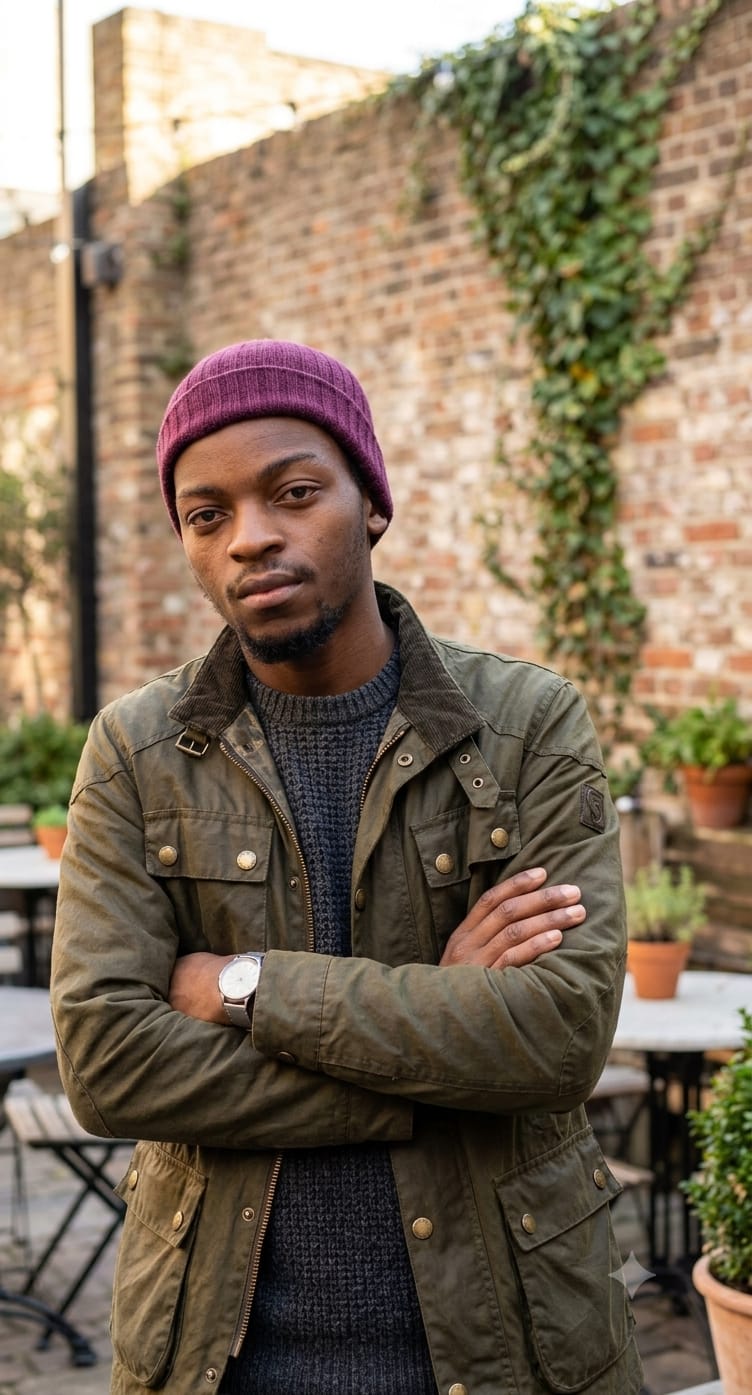
Hope Kubeka, 26, TB and HIV advocate from Duduza