TB advocates get support to work in their communities
Across the country’s provinces, TB champions are mobilising communities through events, workshops and community dialogues to raise awareness, educate them about TB symptoms, importance of testing, treatment adherence and prevention and support efforts to end TB.
The activities bring TB education directly to the people most affected, providing communities across the country with direct access to TB information and support they need. These efforts form part of the TBAC Change Grant initiative, an advocacy support initiative started in November 2025 to support TB champions working in communities. The Change Grant gives champions some resources they need to engage with people, share information, involve communities and help them understand more about the disease and how to prevent and treat it.
In Mpumalanga, TB advocates Thembi Nkomo and Sonto Nkosi have been active since the beginning of the project. They host community dialogues in areas such as Nkumbula and the Nkangala District. In these engagements, they share their experiences with TB, how it affected them and raise awareness about the importance of early testing and treatment adherence. Their events focus on empowering communities with practical knowledge about the disease.
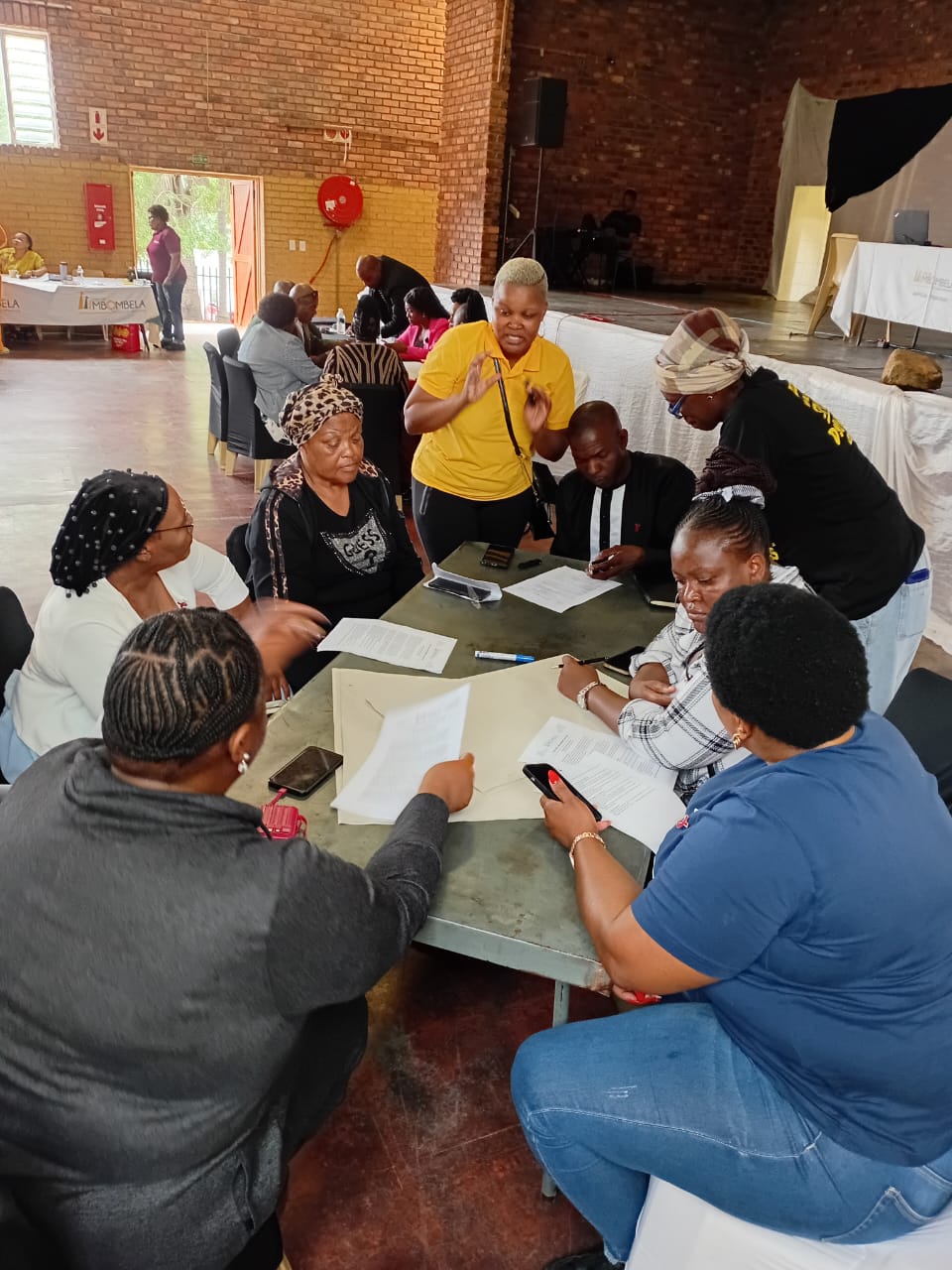
Community dialogue at Nkumbula, Mpumalanga
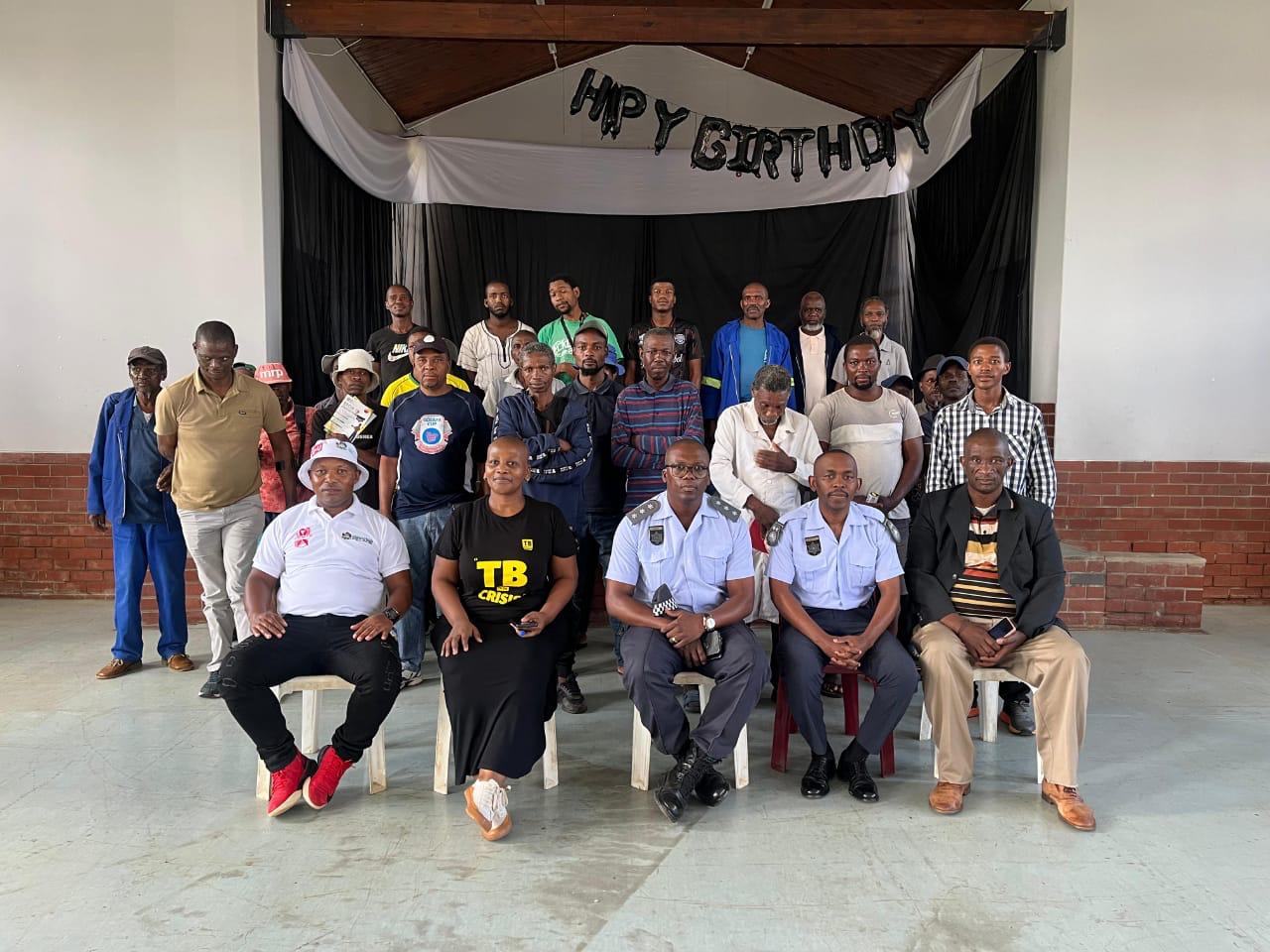
Meanwhile, Mabusi Kgwete is active in KwaZulu-Natal, focusing on men and people with disabilities. Mabusi visits hostels and other male-dominated such as Glebelands Hostel as well as people with disabilities spaces to teach about the importance of testing, staying treatment and TB prevention. From her own battle with extrapulmonary TB, she also raises awareness that TB is not only a lung disease, helping communities understand the different ways it can affect the body.
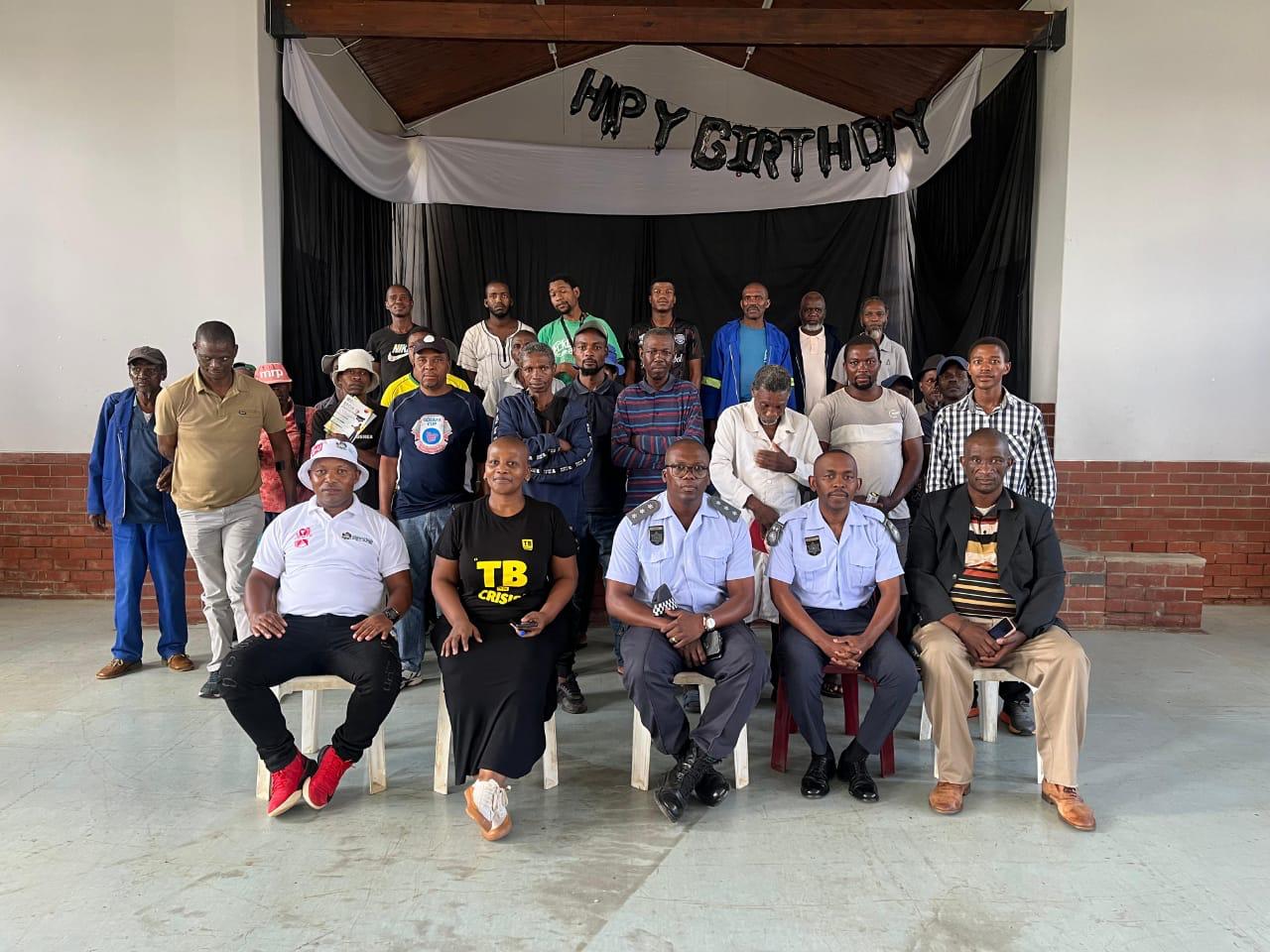
Glebelands Hostel at Umlazi, KZN
Gauteng’s efforts are led by Lehlohonolo Thobakgale, who hosts TB talks and awareness events with schoolchildren and teachers at schools such as Ramahlale Primary School. Using her own experience of being diagnosed with TB while still in school, Thobakgale educates learners about TB symptoms, prevention and early detection, which also helps reduce stigma around the disease.
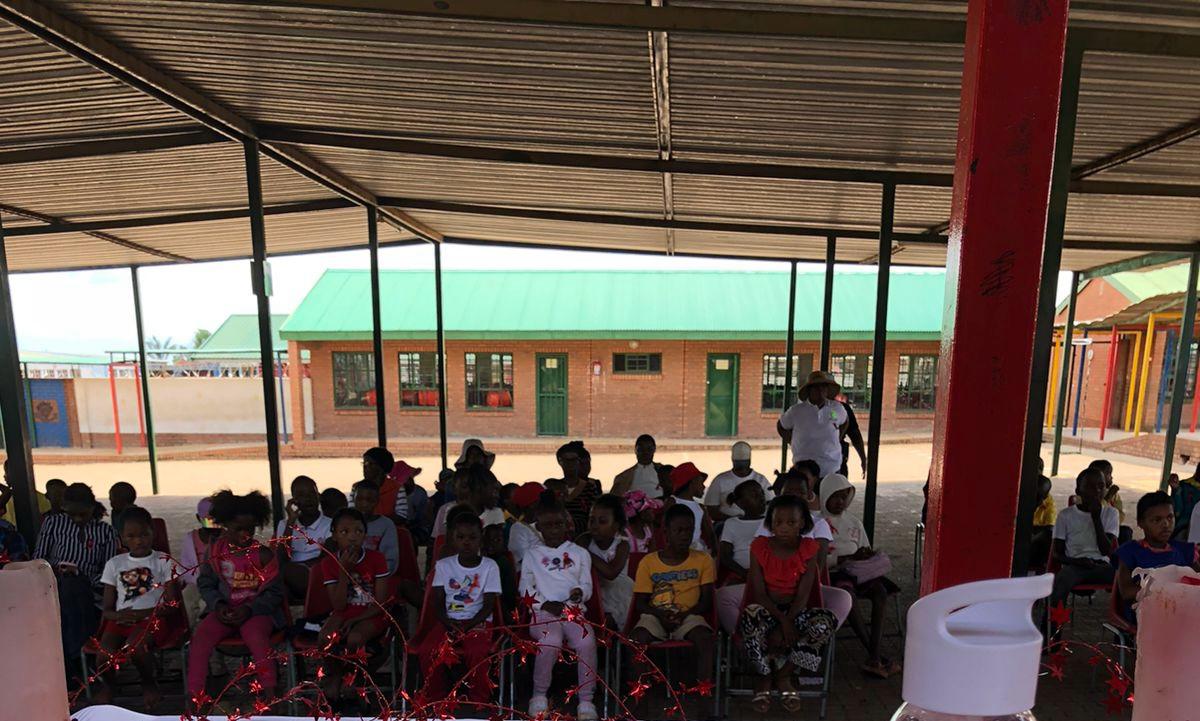
Ramahlale Primary School in Mamelodi, Gauteng
In the Northern Cape, Victor Mmameshi, a traditional healer and TB survivor, has been leading community dialogues in schools, churches and local gathering spaces, using his own experiences to teach people about TB symptoms, how access care early and support loved ones through treatment, bridging traditional and modern approaches to health.
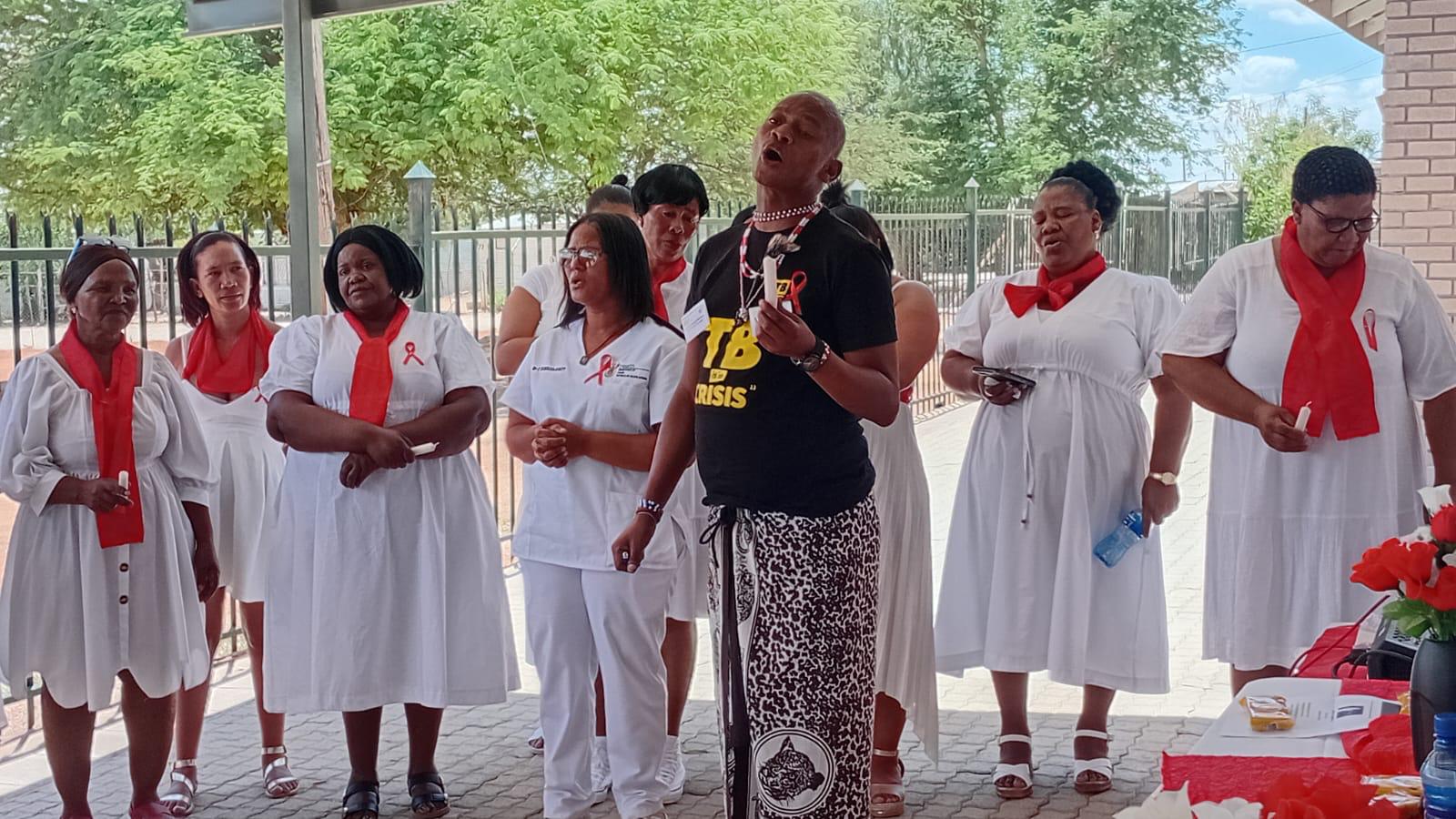
Raaswater Clinic, Northern Cape
In the North West, three-time TB survivor David Makana focuses on mine workers and surrounding communities, bringing a personal perspective to his advocacy. Having survived TB multiple times, including TB meningitis, he shares his experiences to educate people about symptoms, the importance of early testing, and completing treatment, while highlighting hope and resilience in the fight to end the disease.
Also working in the province, Ludick Mabyane mobilises local residents through community talks in areas such as Tlhabane township, Brits, within the Bojanala District, where he leads dialogues to raise TB awareness and encourage testing and treatment adherence
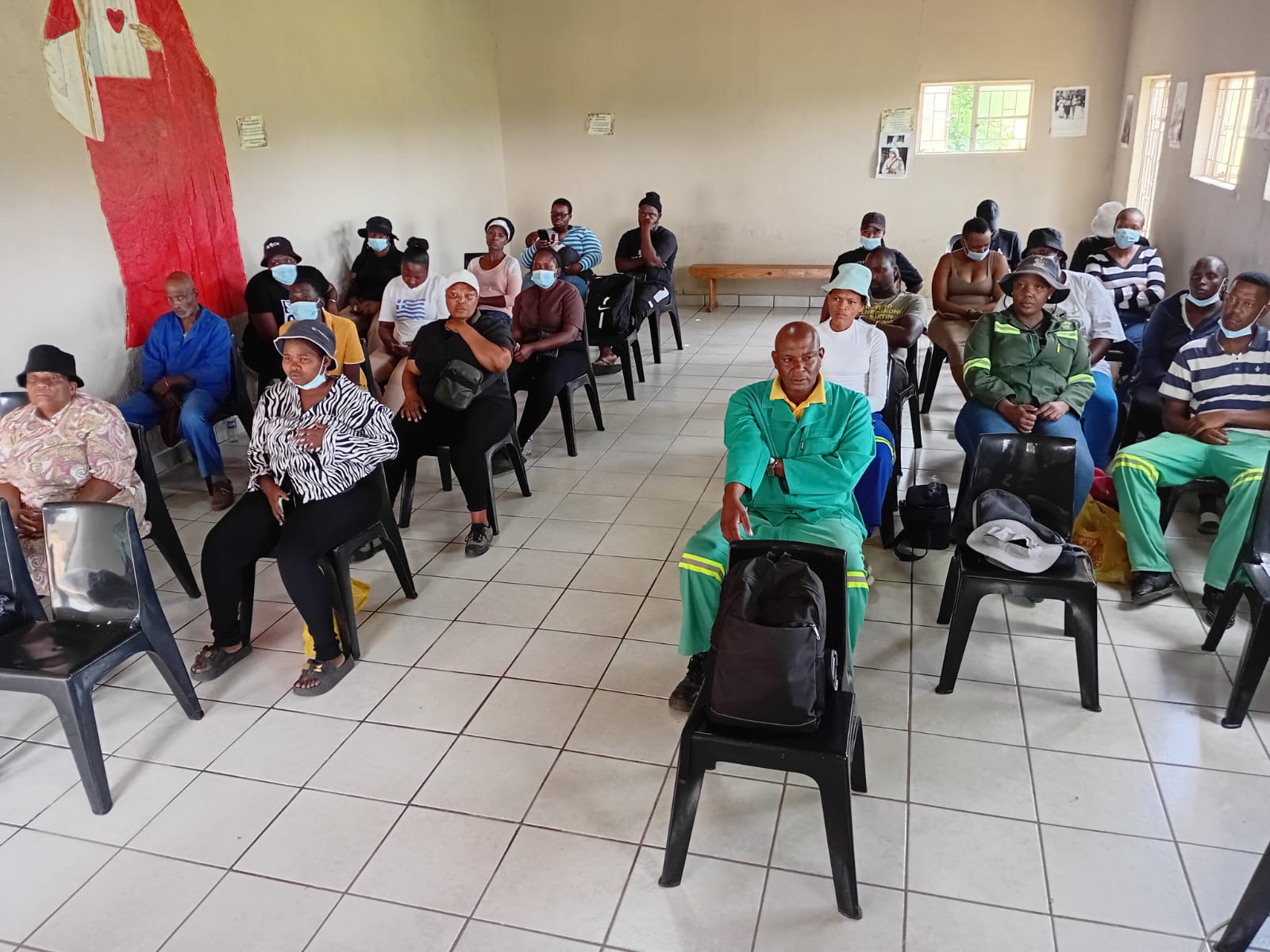
Roman Catholic Church in Letlhabile, North West
In the Western Cape, Thando Rolasi takes TB education directly to communities in the Winelands, running dialogues and one-on-one sessions with people recently diagnosed with TB. He also supports community members facing financial hardship, sometimes helping with basic needs like food while providing guidance on treatment and care.
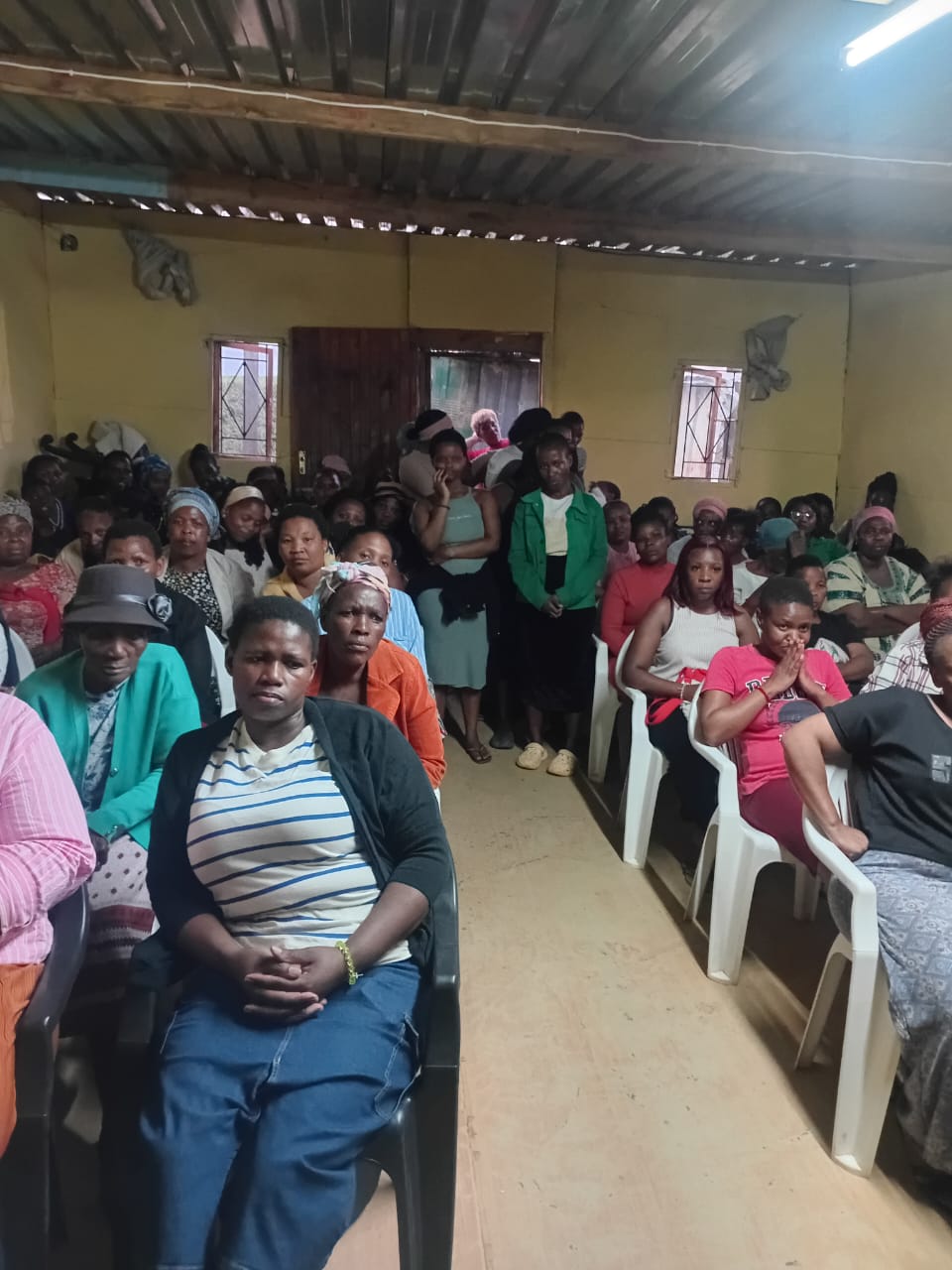
Power Restoration Church, Western Cape
In Limpopo, Reuben Malatji uses his own TB journey to encourage men to get tested and complete treatment. At the clinic, he talks to patients about the importance of screening and sticking to their treatment plans. Meanwhile, Kgoshikgadi Shapo also works across Limpopo, engaging communities through dialogues to educate people about TB, its symptoms, prevention and the importance of testing and treatment. She also supports TB survivors by providing guidance and advice, helping them understand how to adhere to treatment and protect their loved ones.
In the Free State, Ntswaki Mosia also uses her own experiences with HIV and TB to raise awareness about the close link between the two diseases. Through the Change Grant project, she educates both adults and children on prevention and treatment, highlighting that HIV weakens the immune system and increases vulnerability to TB. Her work emphasises the need to tackle HIV and TB together for healthier communities.
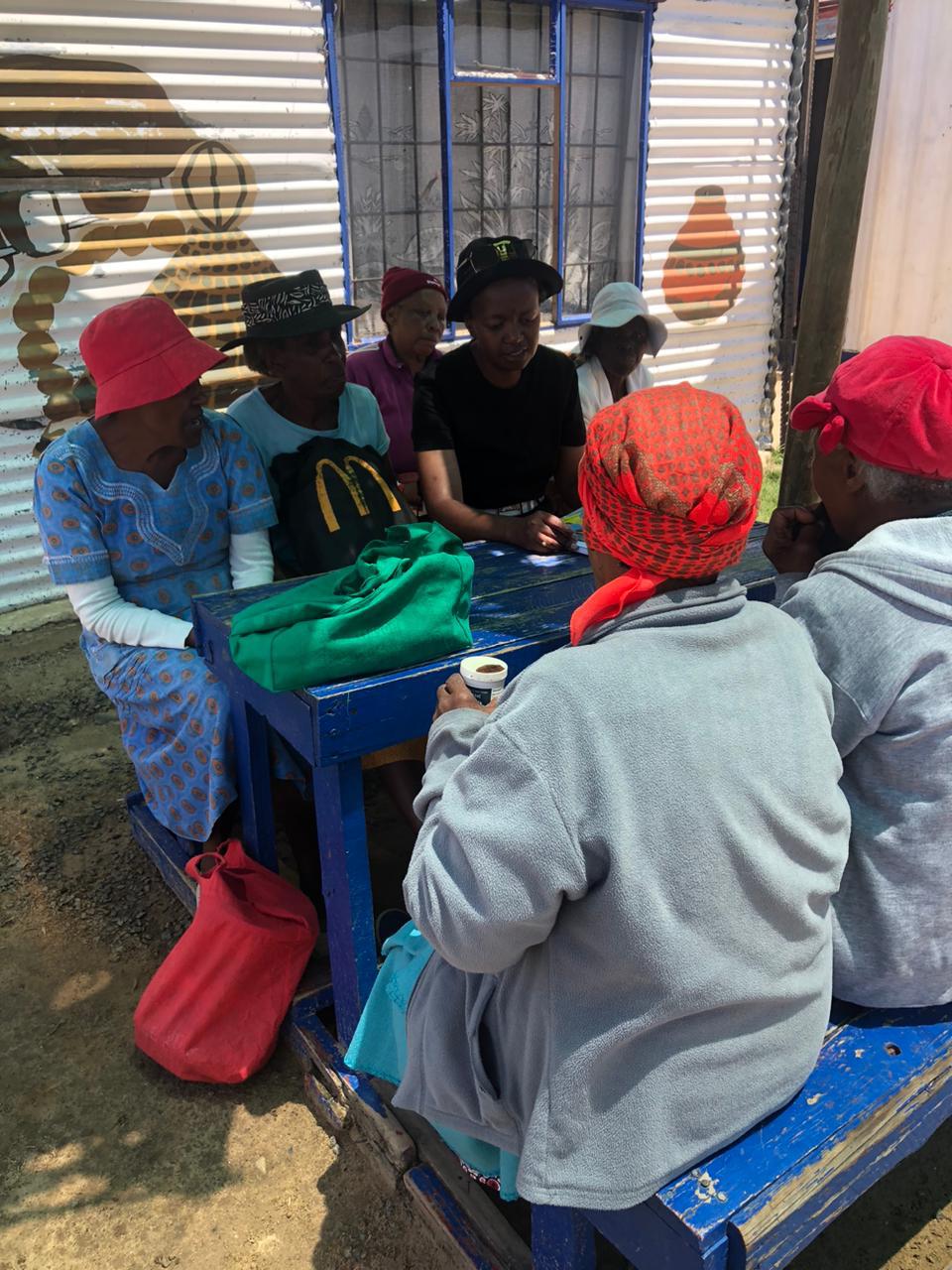
And lastly, in the Eastern Cape, Melikhaya Lusiti uses social media, radio segments and also hosts community dialogues to raise awareness about TB prevention, testing and treatment. He refers people back to health facilities for continued care.
These community-led efforts show how TB advocacy is taking place on the ground across South Africa. By meeting people where they live, work and gather, TB champions are helping to close gaps, reduce stigma and encourage early testing and treatment, which is the backbone of ending the disease. Their work, through this TBAC project, shows that ending TB is not only driven by policies and programmes, but by trusted voices in communities who turn knowledge into action and ensure that communities are able to support people affected by TB.