National and provincial health governments must find manage inefficiencies with additional allocations to their districts
25 February 2026
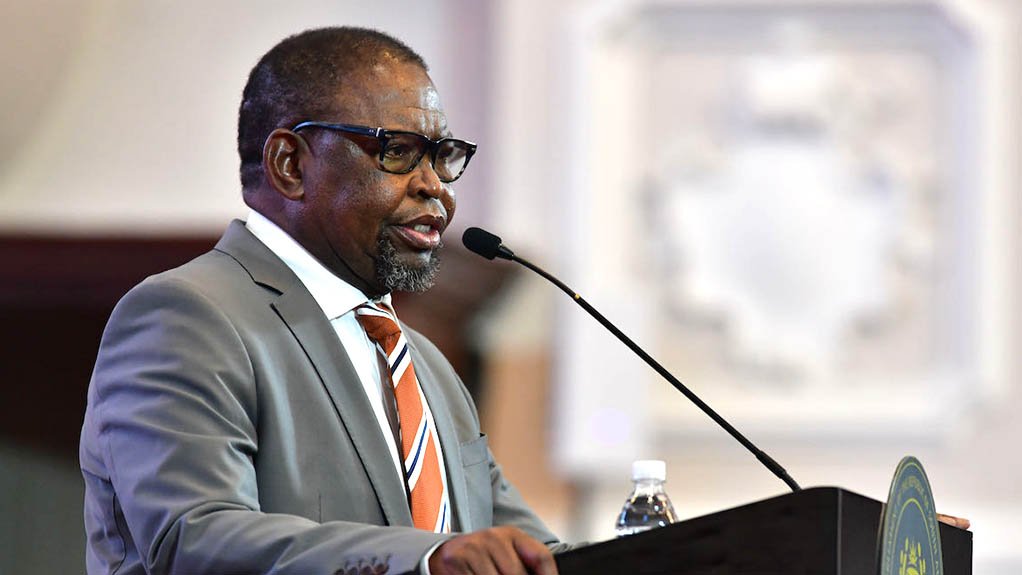
Finance Minister Enoch Godongwana gave national and provincial departments of health a lot of homework in his budget speech yesterday, urging them to find efficient ways to manage their finances.
In his speech, Godongwana had a hard line on inefficiencies in the system, saying “every programme and every allocation must demonstrate value, efficiency and accountability”.
He added: “We have kept that promise, through our commitment to finding savings from unproductive expenditure, closing leakages, and rooting out inefficiencies.
“Targeted and responsible savings are not a once-off initiative. They will be an ongoing and entrenched part of the budget process going forward to weed out inefficiencies and low-performing programmes,” said Godongwana.
The TB Accountability Consortium welcomes National Treasury’s approach of encouraging both national and provincial departments to work more efficiently.
But it warns that this task will be more complicated if these departments fail to integrate services or consider tools like the district health programme grant to navigate these challenges.
Provinces have more than R21billion in accruals that need to be covered along with a R7billion shortfall as a result of overseas development aid being withdrawn. There are also increases to the public sector wage bills that need to be considered.
The consortium has been calling for a strengthened integrated district health service through an expanded District Health Programme Grant.
TBAC programme director Russell Rensburg said this was a step in the right direction.
“As TBAC we now strongly encourage national and provincial governments to think about how to manage efficiencies in their systems,” said Rensburg.
“We recognise that running and maintaining health services is complex. But these allocations will serve as a vehicle to sever inefficiencies,” he added.
South Africa currently runs the largest anti-retroviral programme in the world with more than 5 million people on treatment. Additionally, over half of people diagnosed with TB in South Africa are also living with HIV. TB remains the leading cause of death among people living with HIV, meaning that funding decisions affecting one programme inevitably affect the other.
For more information or for interviews contact:
Aphelele Buqwana
0683546201