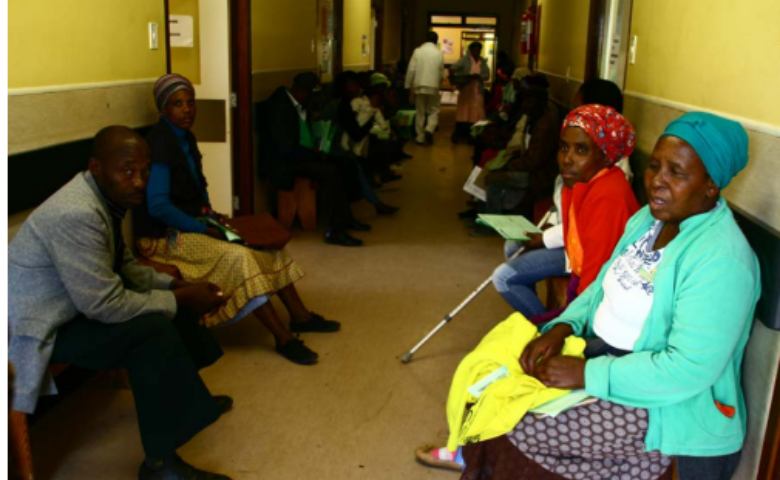
How TB champions are making a difference in their communities
By: Aphelele Buqwana
Clinics, medication and health workers are all essential part of South Africa’s fight against TB.
But one often-overlooked element is the lived experiences of patients and the support they receive from their communities.
It is in these personal and community spaces where TB champions are stepping in, using their own TB experiences to support patients, tackle stigma and strengthen the link between clinics and the communities they serve.
This month we’ve looked at champions in KwaZulu-Natal and Northern Cape who are navigating stigmas associated with TB to help others stay on treatment and feel supported on their TB journey.
In KwaZulu-Natal , for example, Mabusi Kgwete has an ongoing battle helping people see that TB isn’t only found in the lungs.
Kgwete, a SANAC Civil Society Forum TB Ambassador in KwaZulu-Natal, was diagnosed with extra-pulmonary TB in 2023. Extra-pulmonary TB is a form of TB that affects any organs of the body other than the lungs and in her case, it affected her bones. The disease left one of her knees weak, making her recovery physically and emotionally challenging.
But Mabusi has turned her experience into advocacy. She now spends her time in community gatherings and clinics, raising awareness about TB and encouraging patients to stay on treatment.
During these engagements, Mabusi often learns from casual conversations how people are being tested, how they are affected by TB, whether they have access to nutritious food and if they are adhering to their treatment. “When I visit clinics, people often talk about their journey to recovery, how the treatment affects them and how little awareness there still is about TB,” she says.
One of the gaps she highlights is the lack of public’s understanding that TB comes in many forms.
“I recently supported two people with extra-pulmonary TB who felt they did not receive clear information from health workers,” Mabusi explains. “One woman was struggling to understand why her treatment was extended from 9 to 12 months and had concerns about ongoing pains in her spinal cord.”
For Mabusi, this shows why clear communication from healthcare workers is critical and why support groups matter in breaking TB stigma.
She also reflects on positive changes she has noticed in clinics. According to Mabusi, patients are now more open about their recovery, healthcare workers are testing every person coming to the clinic and communities are slowly becoming more informed about the disease.
Through her advocacy, Mabusi has become a link between patients and the health system, ensuring patients feel supported and helping them remain consistent with their treatment.
Shared struggles across communities
In Northern Cape, communities also carry similar challenges as those seen in KwaZulu-Natal, with patients still struggling with treatment adherence and stigma continuing to weigh heavily. It’s in these communities where Victor Mammeshi, a TB advocate and Civil Society district chair, uses his journey with MDR-TB to encourage patients and show them that recovery is possible.
In 2015, Victor stopped taking his HIV medication, overwhelmed by anger and frustration. Soon after, his health rapidly worsened, and his body grew weak and fatigued. By January 2016, he was admitted to Harry Surtee Hospital with MDR-TB. His CD4 count was very low and his viral load was high. “I couldn’t even start on ARVs I needed to take the TB treatment so that my body could get stronger to go onto ARVs,” he says.
According to Victor, the TB treatment was exhausting. “Every morning at 10am I would take my 28 TB tablets. It was not nice, but it was worth it,” he explains. Five months later, his body had strengthened enough to resume antiretroviral therapy and in 2018, he was declared TB-free.
Victor now uses his TB story to encourage people to adhere to their treatment, support them and actively engage with communities to help end TB stigma. “To everyone who fears taking medication, it isn’t easy but finish your treatment. When you start feeling better, don’t stop. TB doesn’t kill, stigma does.”
Both champions have emphasised the need for continued community engagements, stronger support systems and TB education to raise awareness, help patients complete treatment, reduce stigma and feel supported.