Gauteng TB Caucus sharpens its focus as 2026 State of TB Report highlights urgent gaps
By: Palesa Chidi
For Gauteng to address its high TB burden, parliamentarians need to understand the data down to the district level as well as the socio economic burden and impact of this age old disease.
This was the overarching message that came out of an engagement with the TB Caucus at the Gauteng Provincial Legislature.
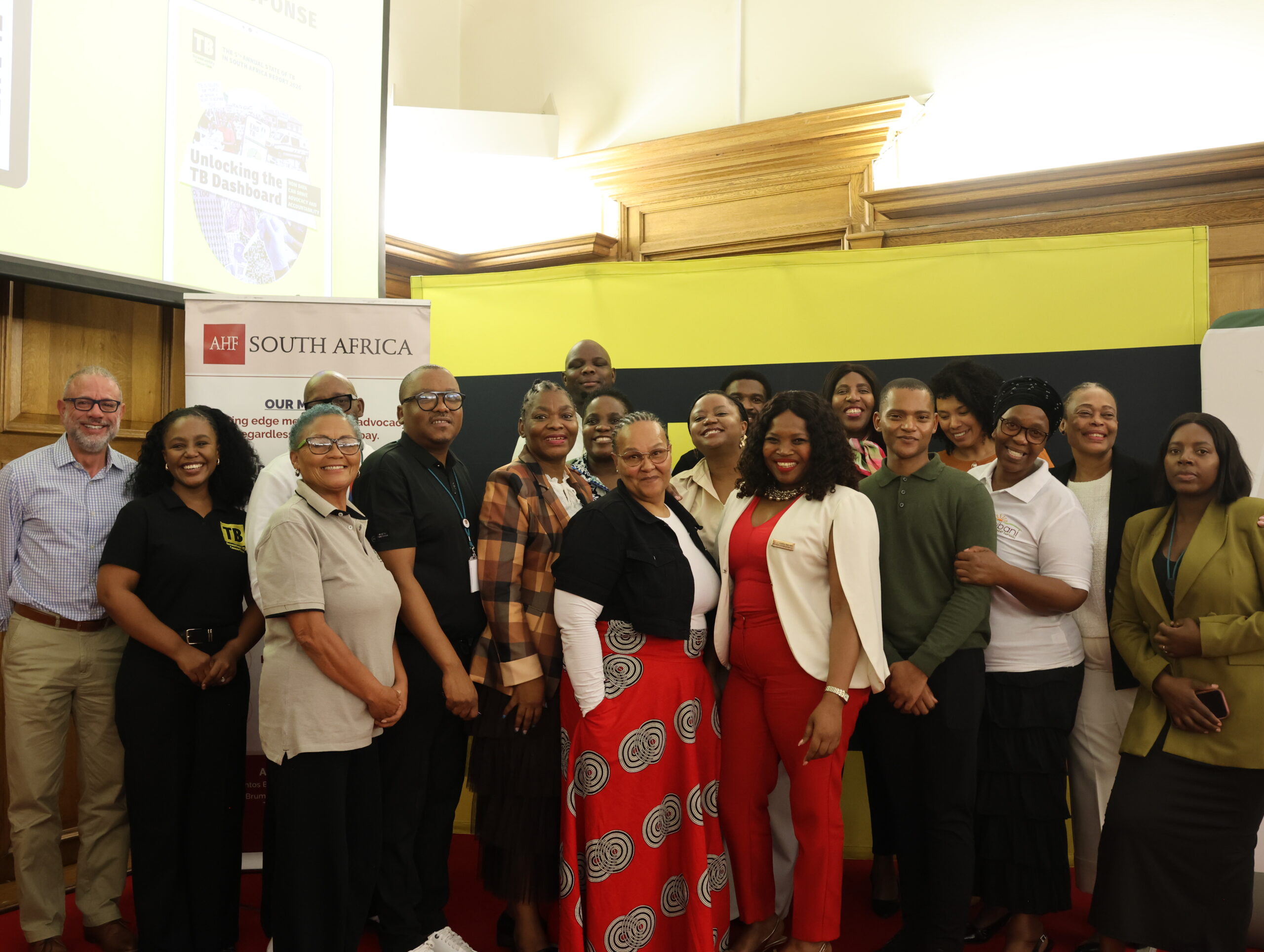
The group were hosted by the TB Accountability Consortium and the AIDS Healthcare Foundation as part of efforts to mark World TB Day.
The engagement brought together legislators, civil society and health stakeholders to strengthen the use of data in improving oversight, addressing service delivery gaps and accelerating progress in the TB response.
Central to the dialogue was the launch of the 2026 State of TB Report by the TB Accountability Consortium. Presenting the report, Prof Andrew Medina-Marino emphasised the importance of using data as a tool for accountability and action.
“The data shows us clearly where the gaps are, particularly in who we are not reaching. If we are serious about ending TB, we need to use this information to guide targeted interventions and strengthen how we deliver services,” he said.
The report highlights persistent gaps in TB testing, diagnosis and equitable access to care, despite ongoing efforts to strengthen the response.
Adding to the discussion, Dr Nombuso Madonsela-Nwaruh, Country Program Director at the AIDS Healthcare Foundation(AFH), noted that TB remains the leading opportunistic infection among co-infected patients, contributing significantly to increased morbidity and mortality.
“As AHF, we remain committed to partnering with key stakeholders such as the Gauteng Legislature to ensure that TB resource mobilisation and patient literacy are prioritised,” she said, emphasising the importance of collaboration and improved resource mobilisation in the TB response.
Chair of the Gauteng Provincial Legislature caucus, Dr Bandile Masuku underscored the need for sustained TB awareness and advocacy beyond commemorative moments, calling for urgent action to re-engage individuals who have fallen out of care and to strengthen community-based responses.
“TB awareness must go beyond commemorative moments. We need urgent action to bring people back into care and strengthen community-based responses that reach those being left behind. Health is a right, and no one should be denied access due to immigration status or barriers to care. TB remains a major killer and demands greater attention from the legislature,” he said.
Matshidiso Mfikoe, a member of the Gauteng Legislature and part of the TB caucus highlighted the growing challenge of patients disengaging from care and the need for stronger community engagement in the TB response.
“We believe it is important for the legislature to be actively involved in the TB response, particularly through public participation and advocacy. Many people are not testing or following through with treatment, and we are seeing a growing number of patients who have disengaged from care. We must work closely with communities to encourage testing and ensure people stay on treatment,” she said.
The report further points to significant disparities in who is being reached by current TB services. Boys and men, particularly those aged 15 to 44, remain under-tested despite carrying a higher burden of TB. This highlights the limitations of facility-based approaches and the urgent need to expand community-based testing and outreach strategies.
The dialogue reinforced the critical role of the Gauteng TB Caucus in ensuring that provincial commitments translate into measurable outcomes. By equipping legislators with accessible, real-time data, the Caucus aims to strengthen evidence-based oversight and ensure that no communities are left behind.
As TB continues to be one of South Africa’s leading causes of death, stakeholders emphasised that ending the epidemic will require sustained political leadership, stronger collaboration, and a firm commitment to accountability, anchored in data and driven by community-centred approaches.