Gauteng is strengthening its multisectoral response to TB, but persistent gaps remain
Ending TB in South Africa will require more than just a biomedical response. It will need a response that includes social development, recognising TB as more than a health issue, but as a socio-economic challenge shaped by poverty, unemployment, food insecurity and other factors that continue to influence people’s vulnerability to the disease and their ability to complete treatment.
However, in Gauteng, efforts to engage a multisectoral response to the disease will need to be strengthened and further built up to improve TB outcomes and close the gaps that continue to fuel the epidemic.
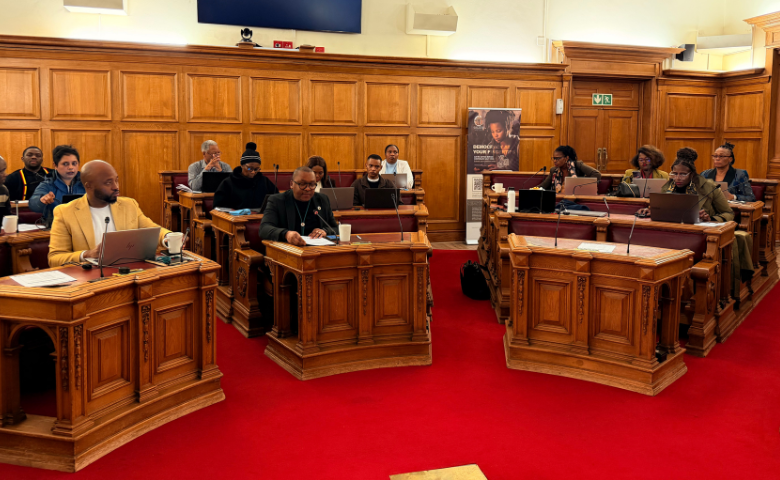
Recently, members of the Gauteng Provincial Legislature, government departments, civil society organisations and community partners gathered for the TB Caucus Oversight and Multisectoral Stakeholder Engagement Session to reflect on progress towards the province’s TB targets, discuss the challenges that continue to hinder the response and explore how different sectors can work together to improve TB outcomes.
The engagement included a panel discussion, facilitated by TBAC, where representatives from the Gauteng Departments of Health, Education and Social Development, alongside civil society organisations, unpacked the province’s TB response and discussed how stronger collaboration across sectors can help close persistent gaps in diagnosis, treatment and care.
One of the strongest messages to emerge from the discussion was that diagnosing people with TB is only the beginning but keeping them linked to care, supporting them throughout treatment and addressing the social challenges that affect their recovery remain the biggest gap in Gauteng’s TB response.
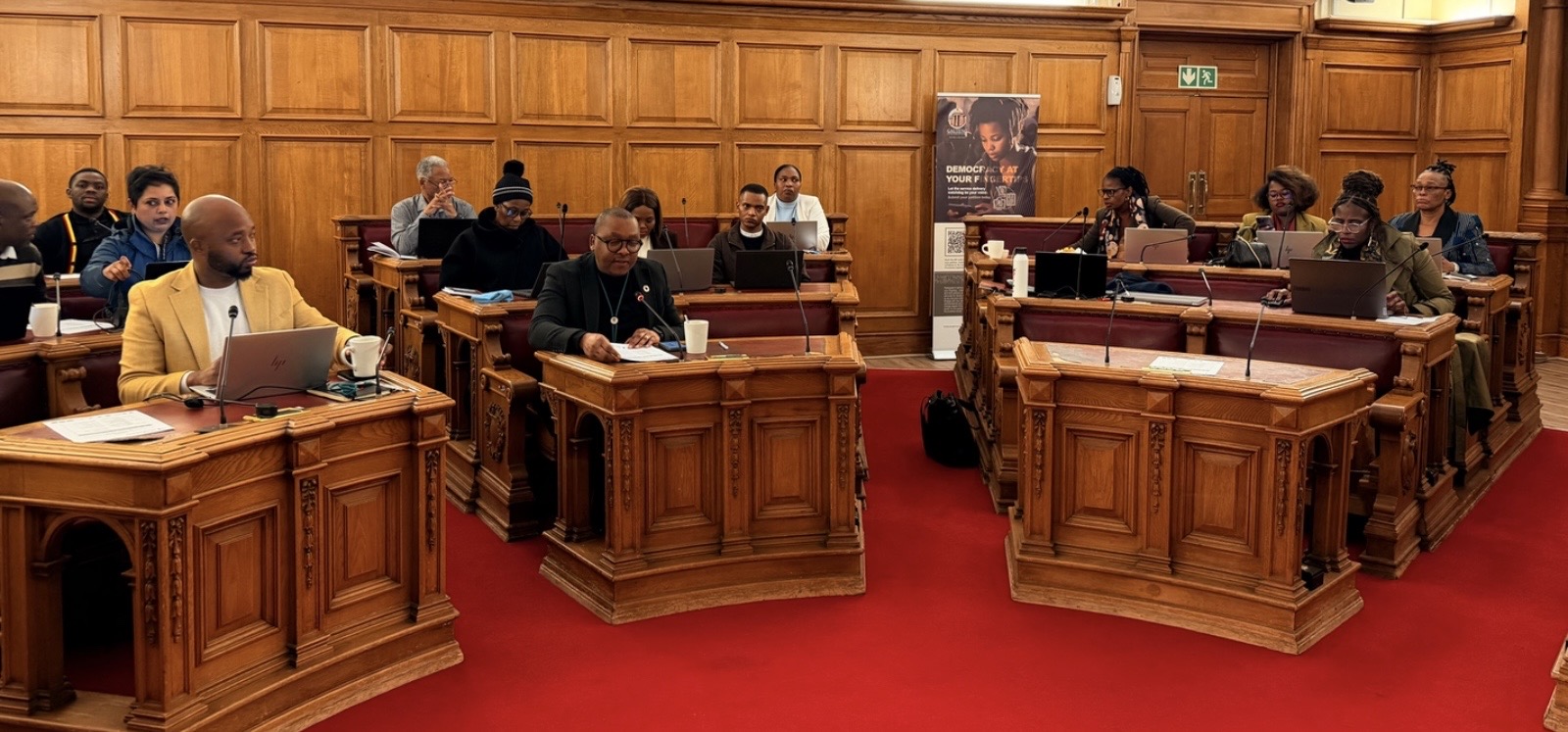
Delegates at the Gauteng Provincial Legislature
Sharing lessons from community-based programmes in Ekurhuleni, Fredricka Mkwanazi from Isibani Development Partners said active case finding and household contact tracing continue to identify people living with TB who might otherwise have gone undiagnosed. But she stressed that finding people is only the first step, with many patients later falling out of care because of the challenges they face in their daily lives.
“Community outreach is making a difference in finding people with TB because we are taking services directly to where people live. But linking patients back to care remains a persistent challenge,” she said.
She explained that social and economic challenges continue to make it difficult for many patients to complete treatment. Substance abuse, migration, unstable living conditions and the inability to trace patients after diagnosis continue to undermine treatment programmes and contribute to interruptions in care.
“Many people are dealing with substance abuse, others move between communities, and some are simply difficult to trace after diagnosis. We need stronger collaboration between communities and health facilities to ensure that every person diagnosed with TB starts treatment and stays on treatment,” she noted.

Dr. Masindi Mashapha, National Department of Social Development
The discussion then turned to the role of social development, with panellists arguing that addressing the social and economic factors driving TB is just as important as providing treatment.
Dr Masindi Mashapha from the National Department of Social Development (DSD) said poverty, unemployment, food insecurity, substance abuse and other social challenges continue to influence both people’s vulnerability to TB and their ability to remain on treatment.
Mashapa outlined the department’s newly launched 2026–2029 TB Strategic Plan which aims to strengthen DSD’s contribution to the national TB response by expanding psychosocial support, social protection and community-based services. The approach also seeks to strengthen collaboration between the health and social development sectors so that people affected by the disease receive support beyond the clinic.
She also announced plans to integrate TB screening into frontline social services, saying every interaction with DSD presents an opportunity to identify people with TB early and connect them to care. A pilot integrated service delivery model, which will be rolled out in Sedibeng in partnership with the Department of Health, will test a more coordinated approach to referrals, follow-up and support for people affected by TB.
“For too long, TB has been addressed from a biomedical point of view. Through the Department of Social Development’s TB Strategic Plan, we want to respond more holistically by improving both the health and socioeconomic conditions of people affected by TB. We also want to strengthen the links between existing health and social services because ending TB requires more than treatment. It requires social protection, psychosocial support and coordinated action across sectors,” she noted

Brennand Smith, Gauteng Department of Basic Education
The conversation also focused on children, one of the groups that continue to be disproportionately affected by gaps in South Africa’s TB response. An estimated 22,000 children developed TB in 2024, yet many are still not diagnosed or linked to care. The World Health Organisation estimates that around 39% of children with TB are missed by the health system, denying thousands the opportunity to receive the care they need.
According to Brennand Smith from the Gauteng Department of Basic Education, schools have an important role to play in changing that reality.
“Schools provide an important platform to equip learners with the knowledge they need to protect their health and access support when they need it,” he stated.
He explained that schools provide an opportunity to promote health, prevent disease and identify children who may need support long before they become seriously sick. By integrating health education into the curriculum and working closely with healthcare professionals, school social workers and community partners, Smith said schools “are helping learners understand TB, reduce stigma and encourage families to seek healthcare early.”
He further added that strengthening collaboration between the education and health sectors is essential to improving health outcomes for children and ensuring schools become an important platform for disease prevention and early intervention.

Delegates at the Gauteng Provincial Legislature
The importance of community support was also highlighted by Gladys Tshabalala, Gauteng Chairperson of the Civil Society Forum at SANAC, who said civil society organisations remain an important link between health facilities and communities.
She stated that community organisations are often the bridge between clinics and the communities they serve. Beyond raising awareness, civil society organisations help trace patients who have interrupted treatment, provide adherence support and work with communities to address stigma, one of the biggest barriers preventing people from seeking care.
“The work does not end when someone leaves the clinic. Many patients need continued support to stay on treatment, especially when they are facing challenges at home or in their communities. Civil society has an important responsibility to walk alongside patients, encourage treatment adherence and help reconnect those who have disengaged from care,” she said.
With Gauteng still carrying one of the country’s highest TB burdens, participants agreed that strengthening collaboration across sectors will be important if the province is to improve TB outcomes and accelerate progress towards ending the epidemic.