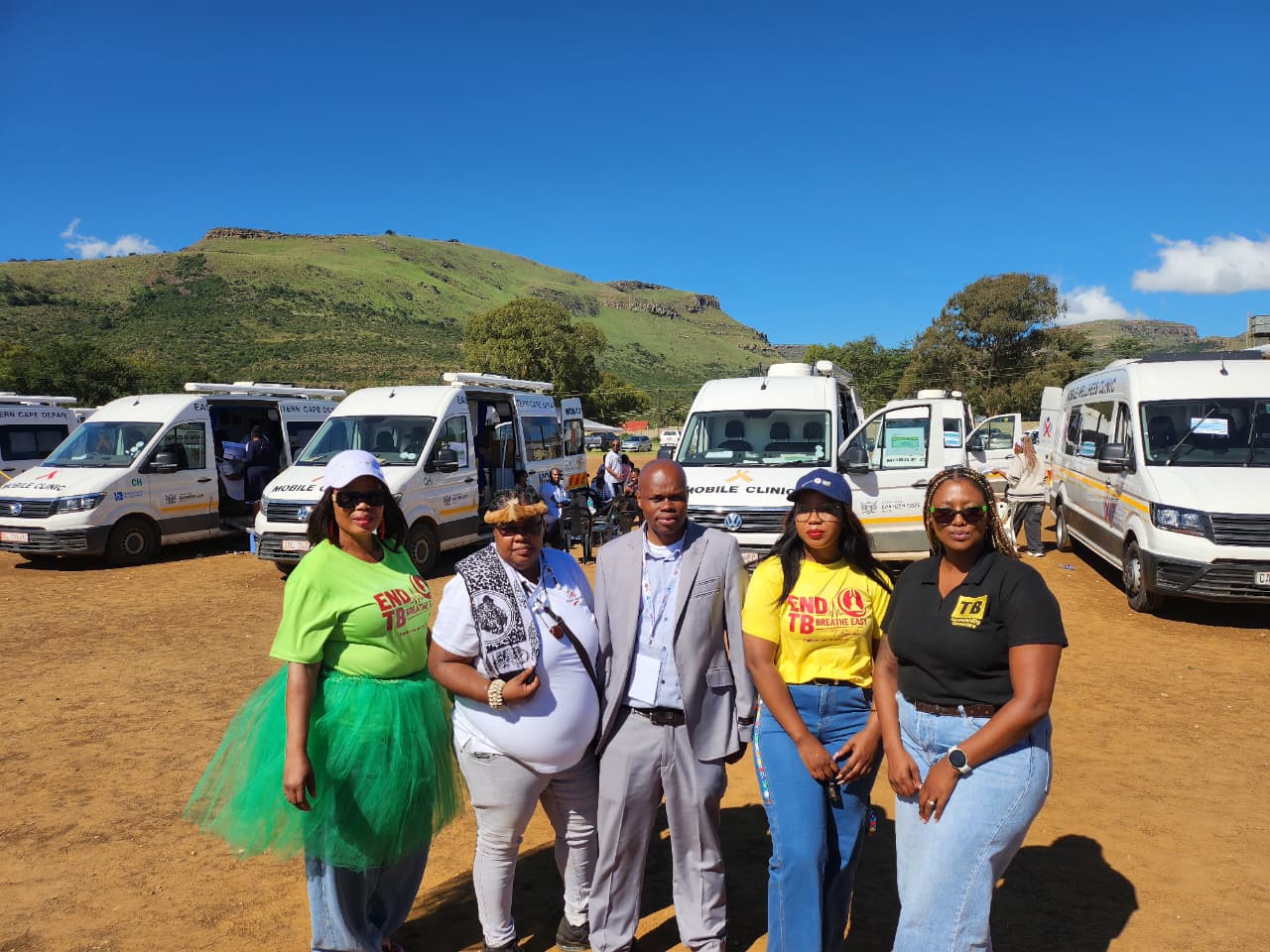
Eastern Cape World TB Day commemoration
By: Zimbini Madikiza-Mgayi
The Cala Indoor Sports Centre in the Chris Hani District, Eastern Cape, came alive with energy, hope, and purpose as communities gathered in large numbers to commemorate World TB Day 2026, on the 31st March 2026.
From the early hours of the day, the venue filled with voices, movement and a shared sense of urgency—this was not just a commemoration, but a collective call to action in the fight against TB.
This year’s event followed a series of build-up activities held across communities in the district. During these engagements, community members spoke candidly about the challenges they face in accessing TB services. A recurring concern was the stigma attached to TB, which continues to discourage many from seeking voluntary testing.
Equally concerning was the fear of losing employment after a positive diagnosis, a reality that forces many to choose between their health and their livelihoods. These insights grounded the commemoration in lived experiences and highlighted the need for responses that go beyond awareness to address structural and social barriers.
In response, the provincial commemoration was intentionally designed as a multi-sectoral platform that brought services closer to the people. Different stakeholders collaborated to provide integrated healthcare services, ensuring accessibility, dignity, and responsiveness to community needs. The event stood as a practical demonstration of how coordinated efforts can directly respond to the voices of communities.
A key highlight of the day was the introduction of a digital mobile X-ray truck, donated by the Global Fund. This investment represents a significant step forward in strengthening early detection and diagnosis of TB, particularly in underserved and hard-to-reach areas. The presence of the mobile unit symbolised progress, innovation, and a commitment to expanding access to lifesaving services.
The Department of Health also made a meaningful contribution by providing wheelchairs to individuals in need. For recipients, this was more than just a service—it restored mobility, independence, and dignity. It served as a reminder that health interventions must be holistic, addressing both medical needs and overall wellbeing.
Adding depth to the day’s reflections, the TB Caucus Chair emphasised the importance of shifting the focus of TB interventions to the ward level. It was highlighted that efforts concentrated only at district or provincial levels often miss the nuances and realities experienced within communities. A ward-based approach, rooted in local contexts, was identified as essential for improving outcomes and ensuring no one is left behind.
Furthermore, the Chair underscored that the fight against TB cannot be addressed by the health sector alone. A strong call was made for a multi-sectoral approach that also tackles underlying drivers of the disease, particularly hunger and food insecurity, which continue to weaken community resilience and exacerbate vulnerability to TB.
Throughout the day, a strong sense of unity and shared responsibility was evident. Government departments, development partners, healthcare workers, and community members stood side by side—each contributing to a common goal. The event did more than raise awareness; it delivered tangible interventions and left behind resources that will continue to benefit the community long after the commemoration.
Ultimately, the World TB Day 2026 commemoration in the Chris Hani District told a powerful story—one of communities raising their voices, of stakeholders listening and responding, and of partnerships driving meaningful change. It highlighted that while stigma, fear, and socio-economic challenges remain real barriers, collective action grounded in community realities can pave the way forward.
This is what true stakeholder collaboration looks like—rooted in community voices, responsive to real challenges, and committed to building a future free from TB.