Community engagement remains key in reaching people at risk of TB in South Africa
By: Aphelele Buqwana
TB advocates, researchers and champions have been charged with the task of centering communities in their individual responses to South Africa’s ongoing TB crisis.
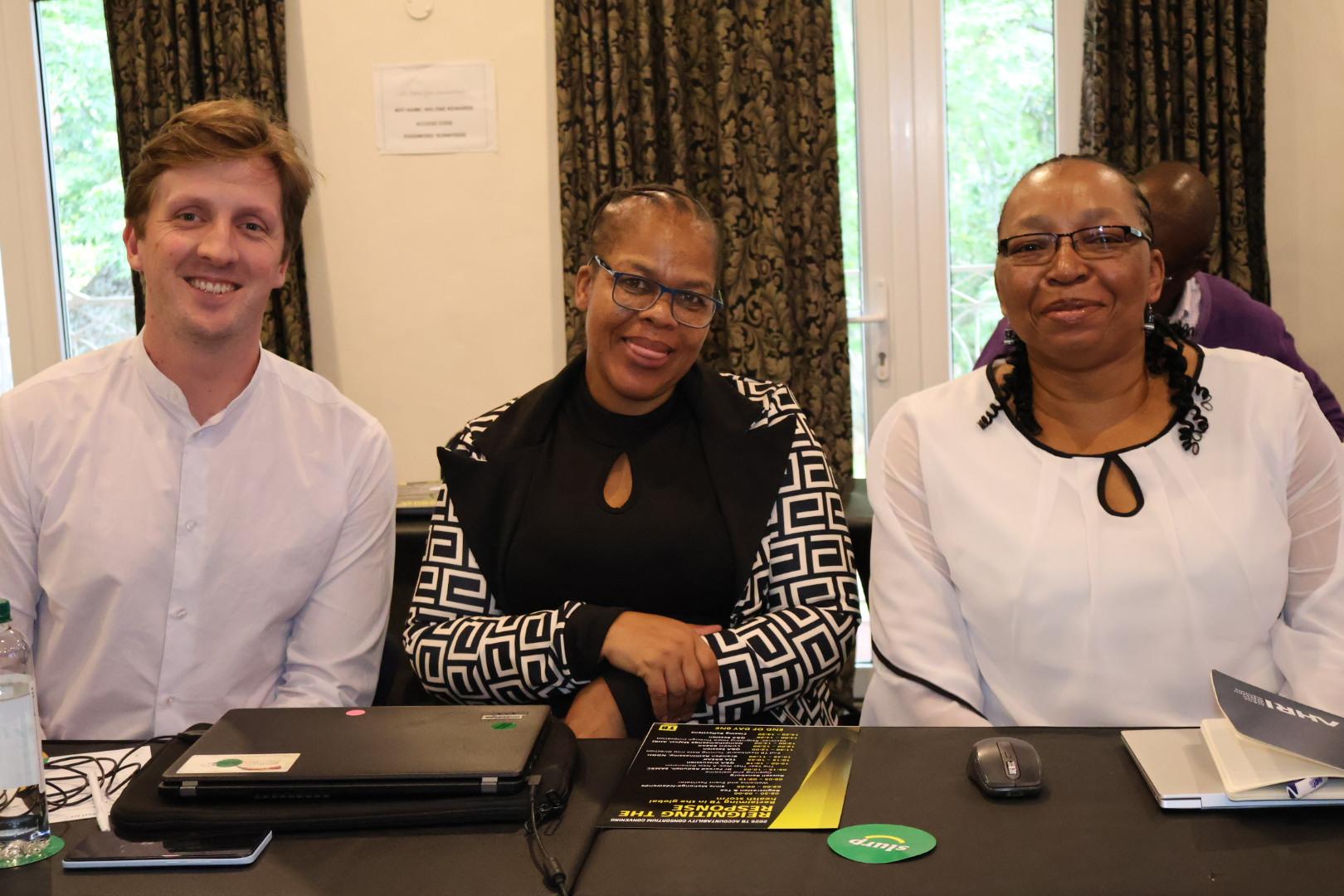
This focus on community-centred efforts set the tone for the TB Accountability Consortium’s third annual convening, which brought together activists, TB champions, government representatives, partners and health experts to reflect on the country’s progress in the fight against TB.
This year’s event, held between 27–28 November under the theme “Reigniting the Response: Reclaiming TB in the Global Health Storm,” provided a platform to discuss challenges, share lessons and look at strategies to strengthen TB prevention, testing, treatment and community engagement.
Experts and researchers unpacked the current state of TB diagnostics, importance of testing and treatment as well as community engagement, highlighting both achievements and persistent challenges in tackling the disease.
However, a recurring theme throughout the convening was the important role of communities in TB control, with experts emphasising that effective community engagement is key to finding, treating and supporting those affected.
Patient care and systemic challenges
Speaking during his session, Dr Fareed Abdullah of the South African Medical Research Council (SAMRC) reflected on the persistent systemic challenges affecting TB treatment at local health facilities, pointing to ongoing gaps in patient care and basic management. He stated that despite basic management processes being in place, many patients still do not receive the care they need.
“At every basic level, patients get a TB test, receive a diagnosis, yet many are not actually on the right treatment,” he said, pointing to ongoing challenges with patient follow-up and monitoring at clinics. “We have a health system capable of delivering good TB care, yet the gaps in follow-up and treatment show that capability alone is not enough. We need consistency, commitment and accountability.”
Abdullah also spoke on the broader social and economic factors that worsen TB outcomes, noting that even with free treatment in the country, patients often face additional costs and nutrition challenges.
“People who are dying from TB are dying because of their poor conditions. They have nutrition issues and the catastrophic costs that we talk about all the time. Many patients spend a large part of their income simply trying to get to clinics and buying nutritious food, which is important for recovery,” he said, adding that these economic pressures mean that even with a functioning health system, people can still be neglected from the care they need.
According to research, poor nutrition is a major factor that increases the risk of developing TB. Many patients with TB struggle with limited access to nutritious food, which not only makes them more vulnerable to the disease but also affects their ability to recover and respond to treatment.
Diagnostics and data are available but gaps in the system remain
Prof Nazir Ismail, head of Clinical Microbiology and Infectious Diseases at Wits University, spoke on the state of TB diagnostics in the national health system, outlining both the progress made and the challenges that persist. He said that the country has a strong network of laboratories and a largely digitised system that allows results communication to be sent out to patients, but challenges remain in ensuring they are properly linked to care.
“South Africa has a strong network for TB testing. The National Health Laboratory Service (NHLS) serves more than 80% of the population and over 90% of TB tests are processed in these laboratories,” he said. “But the biggest challenge is not the tests themselves. It’s ensuring that patients get linked to care and that the system acts on the data we generate,” he added, stating that while digitisation and surveillance dashboards have strengthened the system, patients are still missed in care after testing.
He further explained that while district managers now receive weekly lists of potential TB cases, which allows them to monitor whether people have been linked to treatment and help close gaps in care, more work still needs to be done.
“Access alone won’t close the TB gap. We have to strengthen our diagnostic systems and take testing to where people are.”
Ismail also stressed that bringing testing into communities remains one of the most important ways to reach people most at risk of contracting TB.
Community engagement builds trust and encourages uptake
The convening also put a spotlight on the future of TB prevention, with a session led by Nomathamsanqa Majozi from the Africa Health Research Institute (AHRI), who provided an update on the country’s readiness for new TB vaccines and the work needed to prepare the country for the next stage of possible vaccine uptake, specifically the M72 vaccine clinical trial.
According to an article by The Lancent, the M72 vaccine aims to prevent adolescents and adults already infected with latent TB from developing pulmonary TB.
Majozi noted that their work focuses on strengthening community engagement so that vaccine research and future rollout efforts are grounded in public trust. “We make sure people understand the research, feel included and know what their participation means,” she said.
She added that youth engagement groups, TB survivors and community advisory boards continue to play a central role in preparing communities for potential new vaccines, with survivors especially influential because they “use their lived experience to encourage treatment adherence and support others through the process.”
She also emphasised that meeting people in their own communities is important as it creates more opportunities for learning, access and participation, particularly for those who might otherwise be left out of care.