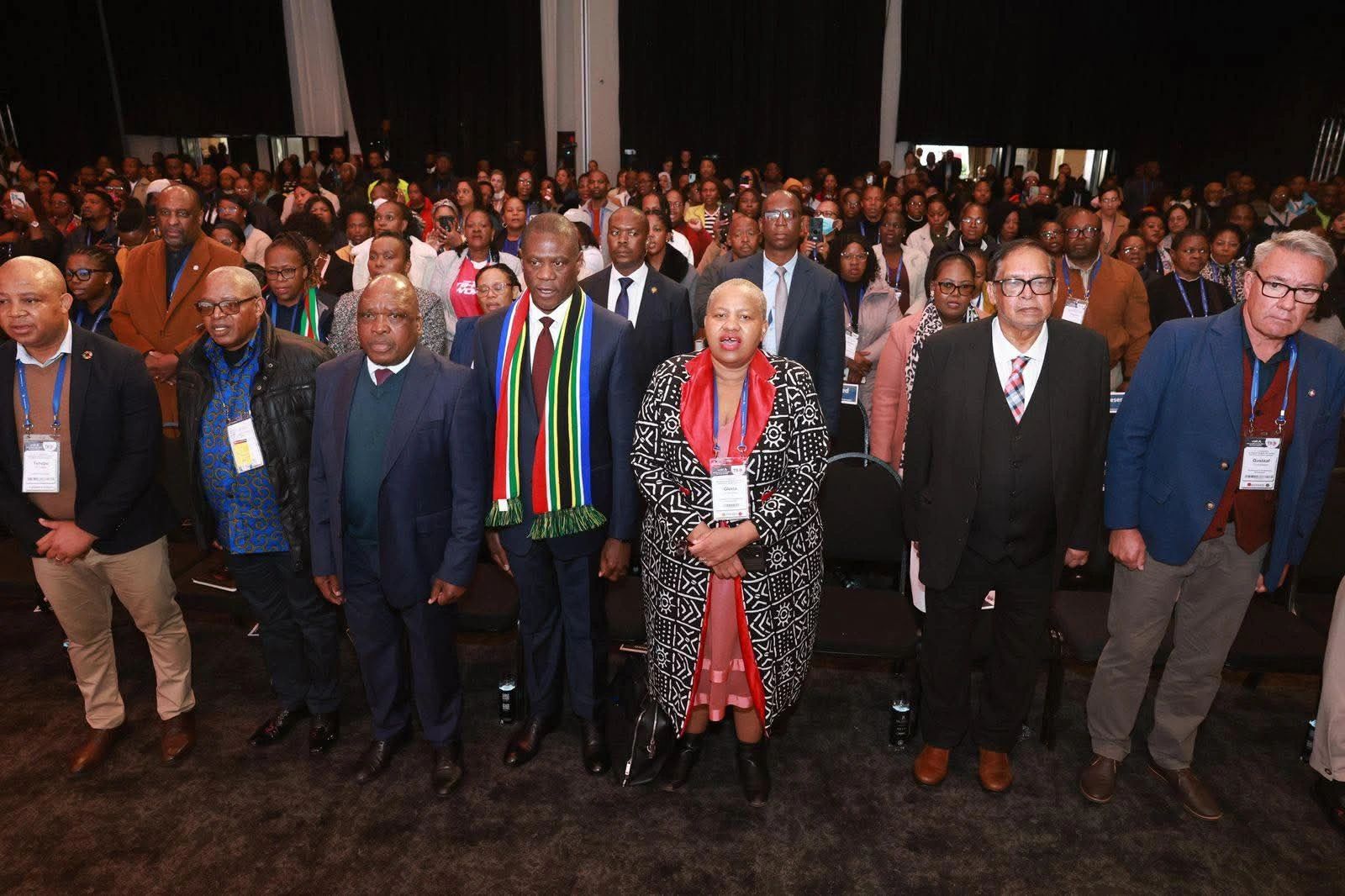
9th SA TB Conference calls for stronger integration as TB innovations meet system challenges
New diagnostic tools that bring TB testing closer to primary healthcare and communities, stronger data systems, persistent gaps in the health system and renewed calls for collective efforts across sectors to end TB, emerged as some of the key priorities at the 9th SA TB Conference, where delegates emphasised that new tools and treatments alone will not be enough to end one of the country’s leading causes of death.
The conference, which ran from 08–11 June 2026, under the theme “Vuka, Let’s Unite Towards a TB-Free World”, positioned itself as a national platform bringing together government, researchers, civil society organisations, development partners, healthcare workers and affected communities.
The four-day conference provided a space for delegates to reflect on progress in the TB response while also addressing the persistent system-level challenges that continue to shape outcomes, despite growing innovation and collaboration in the sector.
A recurring theme across plenary and satellite sessions was how South Africa can shift from fragmented disease-specific programmes towards a more integrated and responsive health system, where TB services are effectively delivered alongside HIV and non-communicable diseases (NCD) care, particularly at district level.
Calls for stronger collaboration to accelerate TB response
The conference opened with calls for stronger collaboration across sectors, as organisers urged delegates to move from discussions to coordinated action in the country’s fight against TB.
Conference Chair, Prof. Mohlopheni Marakalala of the South African Medical Research Council and Co-Chair, Dr. Nkateko Mkhondo set the tone for the gathering, describing the theme “Vuka, Let’s Unite Towards a TB-Free World” as a call for action rather than just a theme.
Mkhondo stated that stronger collective effort is needed to accelerate progress towards ending TB and urged delegates to work collectively towards a shared goal in addressing the disease.
“Delegates need to act collectively with a shared purpose so we can move towards a TB free South Africa,” she said.
Marakalala supported Mkhondo’s call, saying collaboration across institutions had become even more important amid ongoing funding pressures in the health sector.
“Collaboration is more important now given the current funding crisis in the health sector,” he noted.

Picture: Prof. Mohlopheni Marakalala and Dr. Nkateko Mkhondo
The opening remarks were followed by the Health Minister, Dr Aaron Motsoaledi, who outlined four pillars of the National TB Strategic Plan and stressed that TB cannot be addressed through biomedical interventions alone.
He called for stronger coordination across government departments, particularly between health and social development, stressing that social and economic conditions remain deeply linked to TB outcomes.
“TB cannot be ended through biomedical approaches alone. It requires strong coordination from all departments to improve TB outcomes and support TB prevention,” he said.
Motsoaledi added that people affected by TB are often shaped by broader social conditions, including poverty and inequality, which influence their ability to access care and complete treatment.
Diagnostics bring TB care closer to communities
Throughout the conference, speakers stressed that scientific innovation will only have impact if supported by stronger, better integrated health systems.
Presentations during the sessions highlighted the need for closer coordination between TB, HIV and primary healthcare services, noting that patients often receive care through separate programmes even though many live with multiple health conditions.
Delegates raised concerns about financial constraints and stressed the importance of strengthening district health systems and improving accountability to ensure new tools reach communities.
Innovation in TB diagnosis was also a key focus in discussions, with researchers presenting technologies designed to identify TB earlier and reduce delays in treatment.
Prof. Grant Theron of Stellenbosch University spoke on near point-of-care (NPOC) testing and said it could significantly improve access to TB diagnosis by enabling testing at primary healthcare level and through community-based screening. He stated that these technologies allow clinics to detect TB closer to patients while also supporting decentralised active case finding in communities.
“We must stop expecting patients to navigate our system and bring the system to people affected by TB. This includes not just tests, but support to start treatment immediately,” he said.
He stressed that scaling such innovations would require sustained political commitment and long-term investment to reduce inequalities in diagnosis.
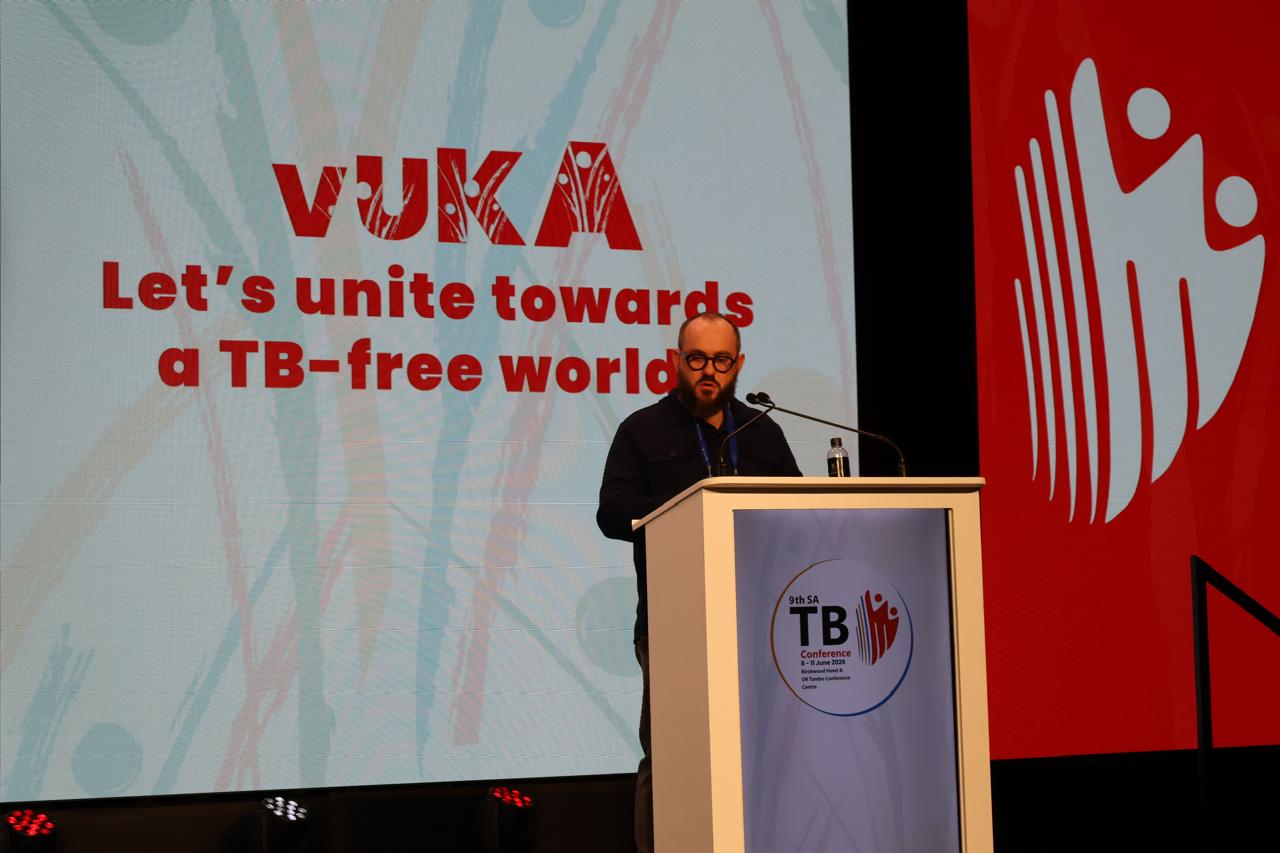
Picture: Prof. Grant Theron from Stellenbosch University
The importance of earlier detection was also supported during a plenary session on diagnostic advances, where Prof. Niel Martinson presented Targeted Universal TB Testing (TUTT) and diagnostic innovation in action, including pooling and swabbing strategies to improve access and reach populations currently being missed from the health system.
TUTT is a testing approach that offers TB tests to people at high risk of the disease, regardless of whether they have symptoms, to help find cases earlier and start treatment sooner.
noted that reliance on symptom-based screening results in missed cases.
“Why don’t we just test everybody who is at high risk? Forget about asking about symptoms, just test them,” he said.
Speakers emphasised that bringing together new technologies with proactive testing strategies could help improve early diagnosis, reduce transmission and strengthen treatment outcomes.
System gaps persist despite innovation
While optimism around new tools was evident, speakers repeatedly warned that technology alone will not end the country’s TB burden.
Several discussions focused on the need to strengthen the health system so that innovations can be effectively implemented at scale. Financial pressures, declining donor funding and competing health priorities were identified as ongoing challenges.
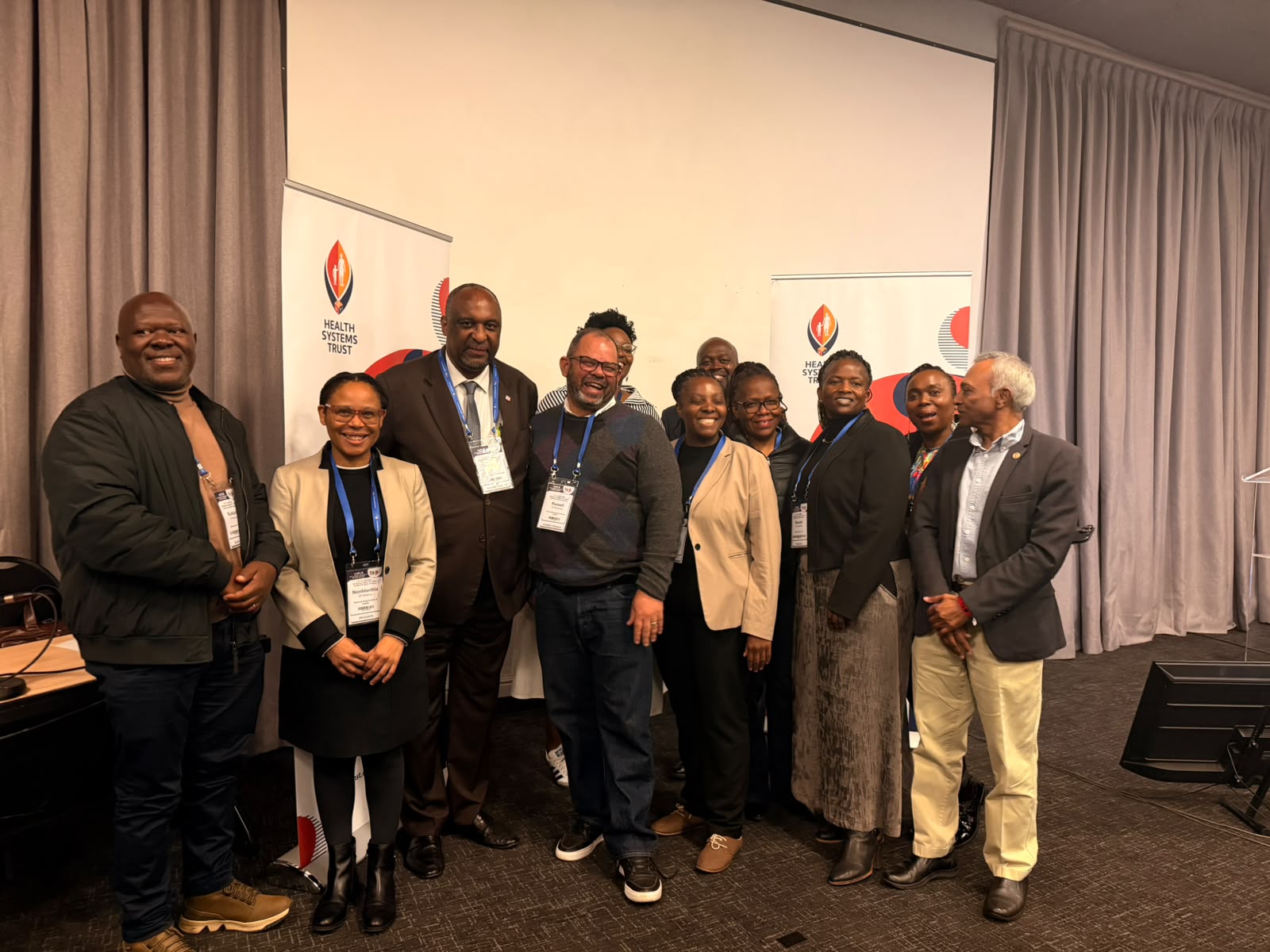
During the Health Systems Trust satellite session on “Strengthening TB Services: Leveraging Innovation and Implementation Science to Improve TB Programmes”, delegates emphasised the importance of better use of existing resources, stronger district health systems and improved integration of TB services within primary healthcare.
Health Systems Trust CEO, Dr Ntombi Sigwebela, acknowledged progress in reducing TB incidence and mortality but said delays in diagnosis and treatment remain a persistent challenge, particularly in underserved communities.
“Many people still experience delays in diagnosis and treatment, particularly in underserved communities with limited access to healthcare,” she said.
She added that these delays point to ongoing gaps in early detection, underscoring the need to strengthen implementation of existing tools and improve access to TB services.
Dr Yogan Pillay, Director for HIV and TB delivery at the Gates Foundation Africa, spoke on the drivers of TB mortality in South Africa, saying reducing TB deaths needs action across the entire TB care pathway, from preventing infection and improving access to care, to strengthening diagnosis, treatment initiation and long-term treatment outcomes.
He said the greatest impact will come from cost-effective interventions that reduce people’s susceptibility to TB, improve early access to care, strengthen the diagnostic cascade and prevent patients from being lost before starting treatment.
Pillay added that innovations such as new vaccines, targeted testing, active case finding and near point-of-care diagnostics are critical to accelerating progress towards ending TB, saying, “The potential of innovations such as new vaccines, targeted testing, active case finding and near point-of-care diagnostics is critical to accelerating progress towards ending TB.”
Data was also a key theme throughout the session, particularly its role in improving accountability.
Presenting TBAC’s fifth State of TB in South Africa Report, Rural Health Advocacy Project director, Russell Rensburg said data should be used to strengthen accountability rather than remain a technical exercise.
“Data helps us see clearly where our responses are succeeding and where they are still failing. It helps us move from assumptions to evidence,” he said.
He added that accessible data allows health managers, policymakers and communities to identify gaps in service delivery and respond more effectively.
Renewed commitment to ending TB
Closing the conference, Deputy President Paul Mashatile reaffirmed government’s commitment to ending TB, describing a TB-free South Africa as achievable if stakeholders continue working together.
He noted that South Africa has reduced TB incidence by 61% since 2015, surpassing the World Health Organization’s 2025 milestone ahead of schedule.
Mashatile urged delegates to sustain momentum beyond the conference and ensure that scientific progress translates into improved health outcomes.
“Let the innovation in diagnostics and treatment prove that unity gives us results,” he said.